

The Role of Emotion in Game Selection
Emotion plays a significant role in how individuals choose casino games. Many players are drawn to games that evoke excitement and anticipation, especially when considering options that offer casino fast withdrawal features. For instance, games like slots often employ bright colors, engaging sound effects, and themes that resonate emotionally. This sensory stimulation can create a sense of thrill, prompting players to gravitate toward these visually appealing options rather than games that may require a more analytical approach, such as poker or blackjack.
Moreover, emotions can influence decision-making beyond initial attraction. A player who is feeling hopeful or lucky may be inclined to select a game based on a recent winning experience or a perceived streak of good fortune. This phenomenon illustrates how past outcomes can affect current choices. Players may unconsciously select games that align with their emotional state, reinforcing their biases towards certain games based on their recent experiences.
Additionally, emotions can lead to a phenomenon known as “loss aversion,” where the fear of losing plays a critical role in game selection. Players might avoid high-stakes games that could lead to substantial losses, instead gravitating towards games they believe offer a lower risk. This psychological response can impact the overall gambling experience and shape players’ habits, often perpetuating a cycle where emotional responses dictate choices over rational decision-making.
The Influence of Social Factors
Social dynamics heavily influence players’ choices in casino games. Whether gambling in a physical location or online, the social environment can significantly impact game preferences. Players often select games based on their companions and the social atmosphere. For instance, groups of friends may opt for more interactive games that allow for social engagement, such as live dealer games, as opposed to solitary experiences like slot machines.
Furthermore, social proof can play a pivotal role in game selection. When players see others winning or enjoying a particular game, they may be more inclined to join in. This phenomenon is rooted in the psychological principle that individuals often look to others when making decisions. A crowded table or a popular machine can serve as indicators that the game is favorable, prompting new players to try their luck, often without fully understanding the game mechanics.
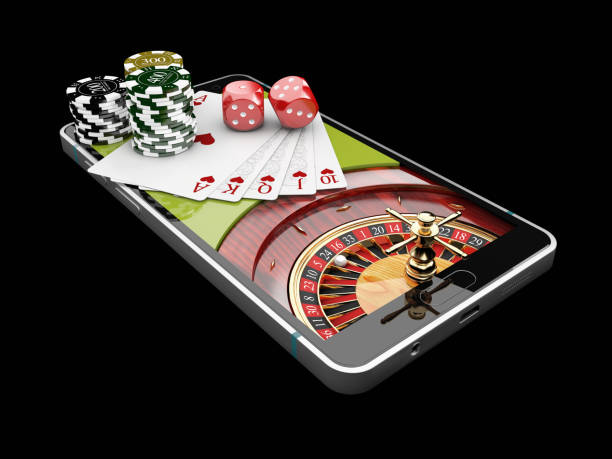
Online casinos enhance these social dynamics through chat features and community engagement. These virtual interactions can create a sense of camaraderie and belonging among players, which can affect their game choices. Players may find themselves more inclined to try new games that are trending within their social circles, further showcasing the significant impact of social influences on gambling behavior.
The Impact of Cognitive Biases
Cognitive biases are inherent in human decision-making and considerably influence casino game choices. One of the most common biases is the “gambler’s fallacy,” where players believe that past results will influence future outcomes. For example, a player may avoid a roulette number that hasn’t appeared in several rounds, thinking it is “due” to hit. This fallacy can lead players to make irrational game selections based not on statistical probabilities but rather on flawed logic.
Another bias that affects players is the “availability heuristic,” where individuals base their decisions on immediate examples that come to mind. If a player recalls a significant win from a specific game, they may be more inclined to choose that game again, convinced they can replicate their success. This psychological tendency often overshadows a more comprehensive analysis of their overall performance and the odds associated with various games.
Additionally, the framing effect can alter player perceptions and choices. When presented with different descriptions or contexts of a game, players may respond differently based on how the information is framed. For instance, a game that is marketed as a “low-risk, high-reward” option may attract players who are typically risk-averse, demonstrating how cognitive biases can sway game selection by altering perceptions of risk and reward.
The Role of Marketing and Game Design
Marketing strategies and game design significantly shape casino game choices, appealing to psychological triggers that influence player behavior. Casinos invest heavily in creating enticing advertisements and promotions that highlight the excitement and potential rewards associated with specific games. These marketing efforts are designed to attract players by tapping into their desire for thrill and adventure, often leading them to choose games with the most appealing gestures.

Moreover, the design of the games themselves, including graphics, sound, and interactivity, can evoke emotional reactions that drive players toward specific choices. For example, a visually captivating slot game with a compelling narrative may encourage more prolonged play, while simpler games might not hold a player’s attention as effectively. Game designers integrate these psychological principles into their creations, understanding that captivating aesthetics and engaging gameplay are critical in attracting and retaining players.
Additionally, bonus structures and jackpot incentives are prominently featured in marketing campaigns, enticing players to choose certain games over others. The potential for large payouts can create a sense of urgency and excitement, making players more likely to engage with those particular games. By leveraging psychological principles in both marketing and game design, casinos can influence player behavior and game selection effectively.
Insights on Responsible Game Selection
Understanding the psychological factors behind game choices can empower players to make more informed decisions regarding gambling. Awareness of emotional influences may encourage players to pause and reflect on their motivations before engaging in a game. By recognizing when emotions are driving choices, individuals can take a step back to evaluate the risks involved and consider a more rational approach to gambling.
Moreover, acknowledging social influences can promote healthier gambling habits. Players should be mindful of their social circles and how these dynamics affect their choices. Engaging with a supportive community while maintaining awareness of personal limits can lead to more responsible gaming experiences. Choosing to play games that align with personal enjoyment rather than social pressure can significantly enhance a player’s experience.
Ultimately, understanding cognitive biases can foster a more responsible approach to game selection. By learning about these biases, players can challenge their thought processes and make choices based on facts rather than misconceptions. This awareness not only contributes to a healthier gambling mindset but also encourages a deeper appreciation for the intricacies of game design and the role of chance in gambling.